Robotics & UAV
Structural and drivetrain parts for robot arms, mobile robots and unmanned aircraft.
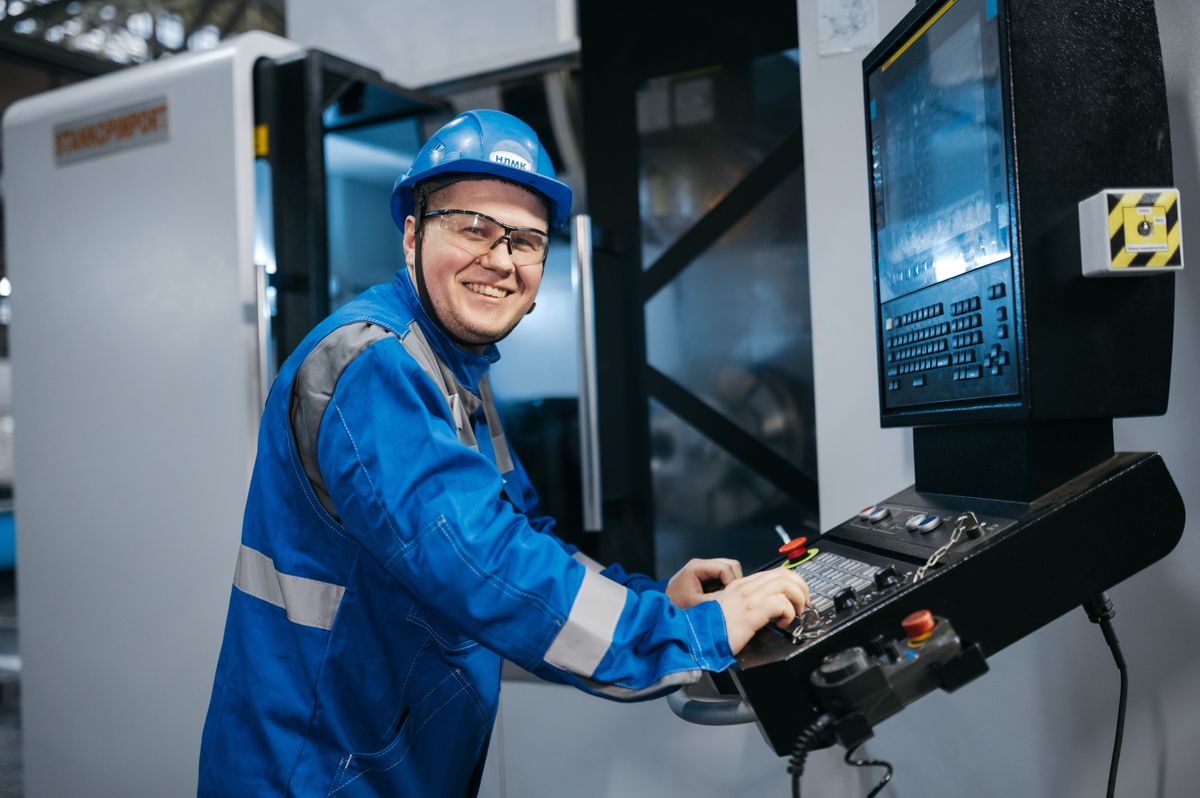
Structural and drivetrain parts for robot arms, mobile robots and unmanned aircraft.
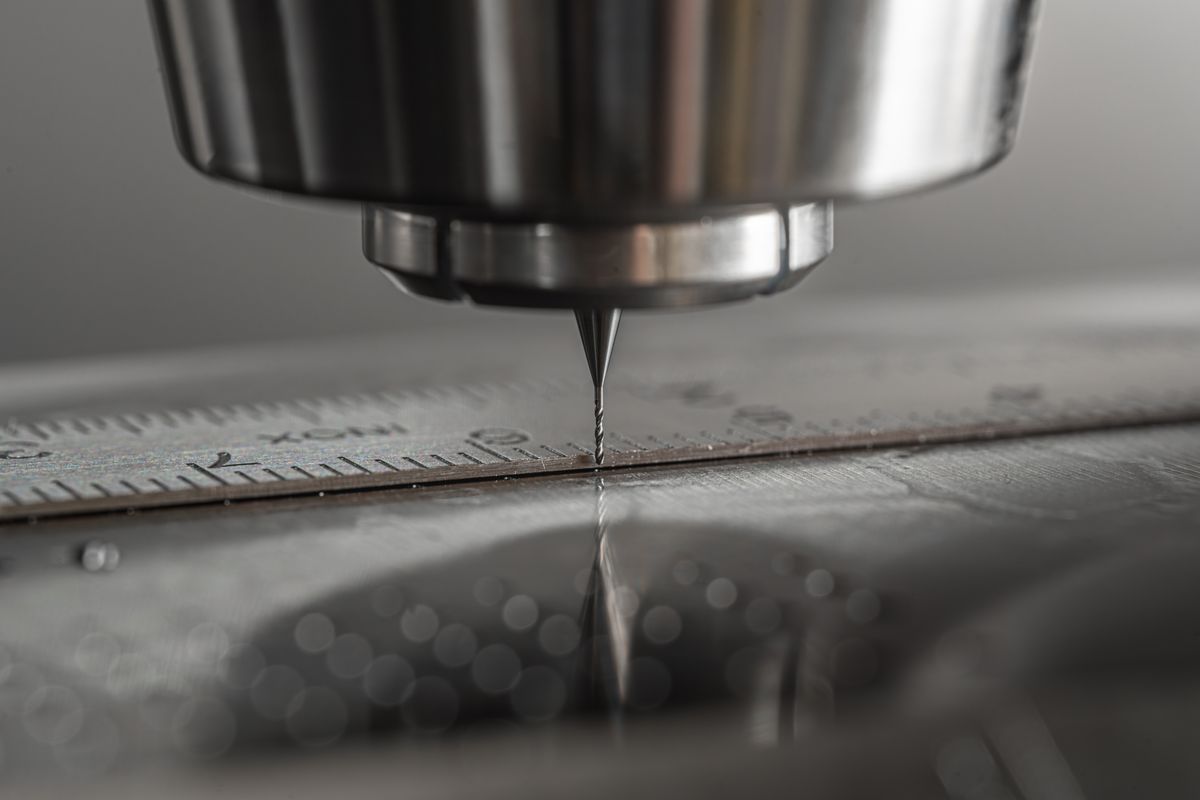
Weight and stiffness are the argument in this industry, and both are decided by geometry as much as by material. A part that is 20 % lighter but 40 % less stiff is not an improvement, which is why we ask what the part does before quoting the pocketing.
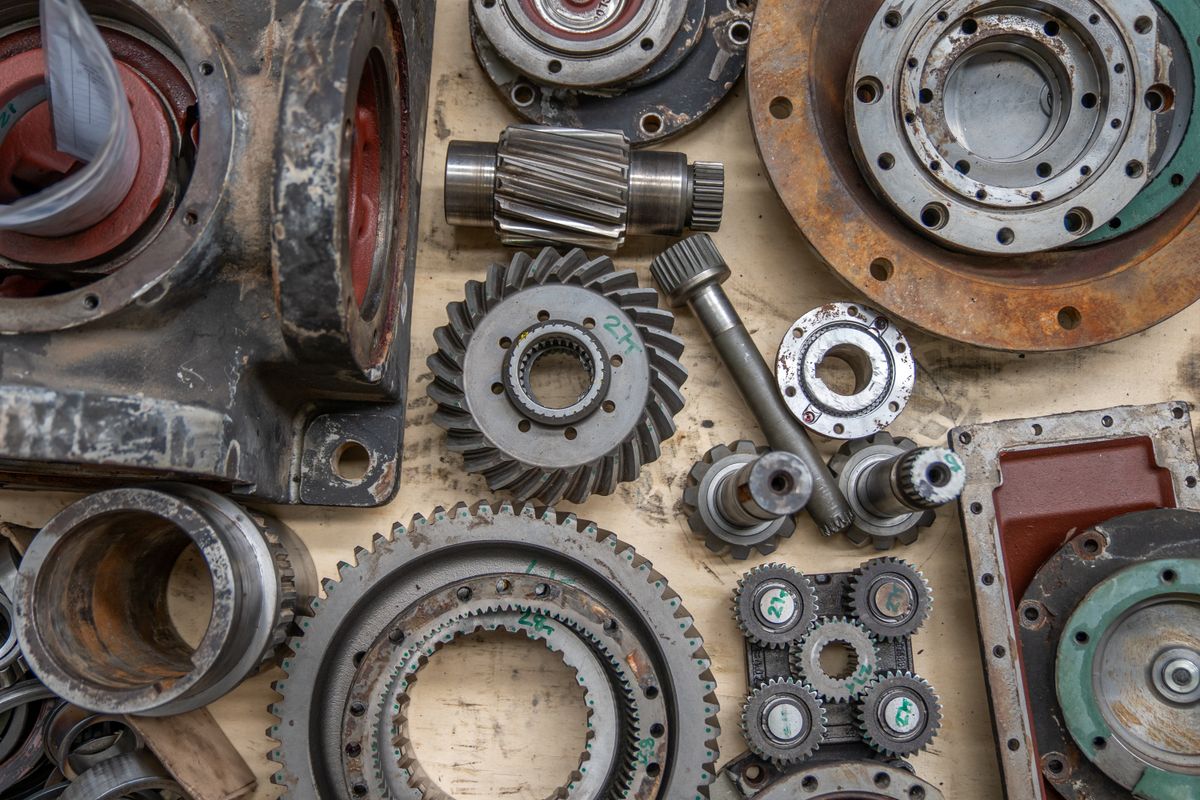
Airframe brackets, arm segments, joint housings, gearbox parts, motor mounts and landing hardware are typical. Aluminium and titanium dominate; carbon-filled plastics appear where the drawing allows.
What we make here
Typical work: prototype to small batch, where the first article is inspected and the fixture is kept for the next revision.
How the work runs
Materials, equipment and inspection
7075 and 6061 aluminium, Ti-6Al-4V, 17-4PH, carbon-fibre plate and engineering plastics. Hard anodising and passivation arranged to the drawing.
CMM for position and profile, wall thickness checked on thin sections, and first-article reports with measured values rather than a pass stamp.
Capacity
| Part family | Typical material | What decides the price |
|---|---|---|
| Arm links and joints | 7075, 6061, Ti | Wall thickness, setup count and finish |
| Motor and gearbox mounts | 7075, 4140 | Bore tolerance and concentricity |
| UAV frame plates | 7075, carbon plate | Flatness, weight and edge finish |
| Gimbal and camera housings | 6061, POM | Thin walls and cosmetic finish |
| Landing gear and hinge parts | Ti, 7075, 17-4PH | Strength callout and tolerance |
| Battery and avionics trays | 6061, 5052 | Weight, openings and anodising |
Every gram is a machining decision. Pocketing a 7075 link down to a 0.6 mm wall is a different job from milling the same link at 2 mm — and it is priced as one.
Parts we have machined
Where the money goes
Straight answers
Yes, with the right sequence: rough leaving stock, stress-relieve where the geometry demands it, then finish with light radial cuts. The drawing has to tell us which walls are structural and which are not.
We prefer STEP. Meshes can be machined, but the surfaces have to be rebuilt first, and that work is quoted rather than hidden.
Hard anodising adds thickness and can move a tight bore. Where the tolerance is critical we machine to the pre-plate size and state that in the quotation.
Keep reading
Request a quotation
Industry fit is checked before the price is argued. Send the drawing with the service conditions and we will answer on both.