OD Grinding
External cylindrical grinding for roundness, straightness and finish after hardening.
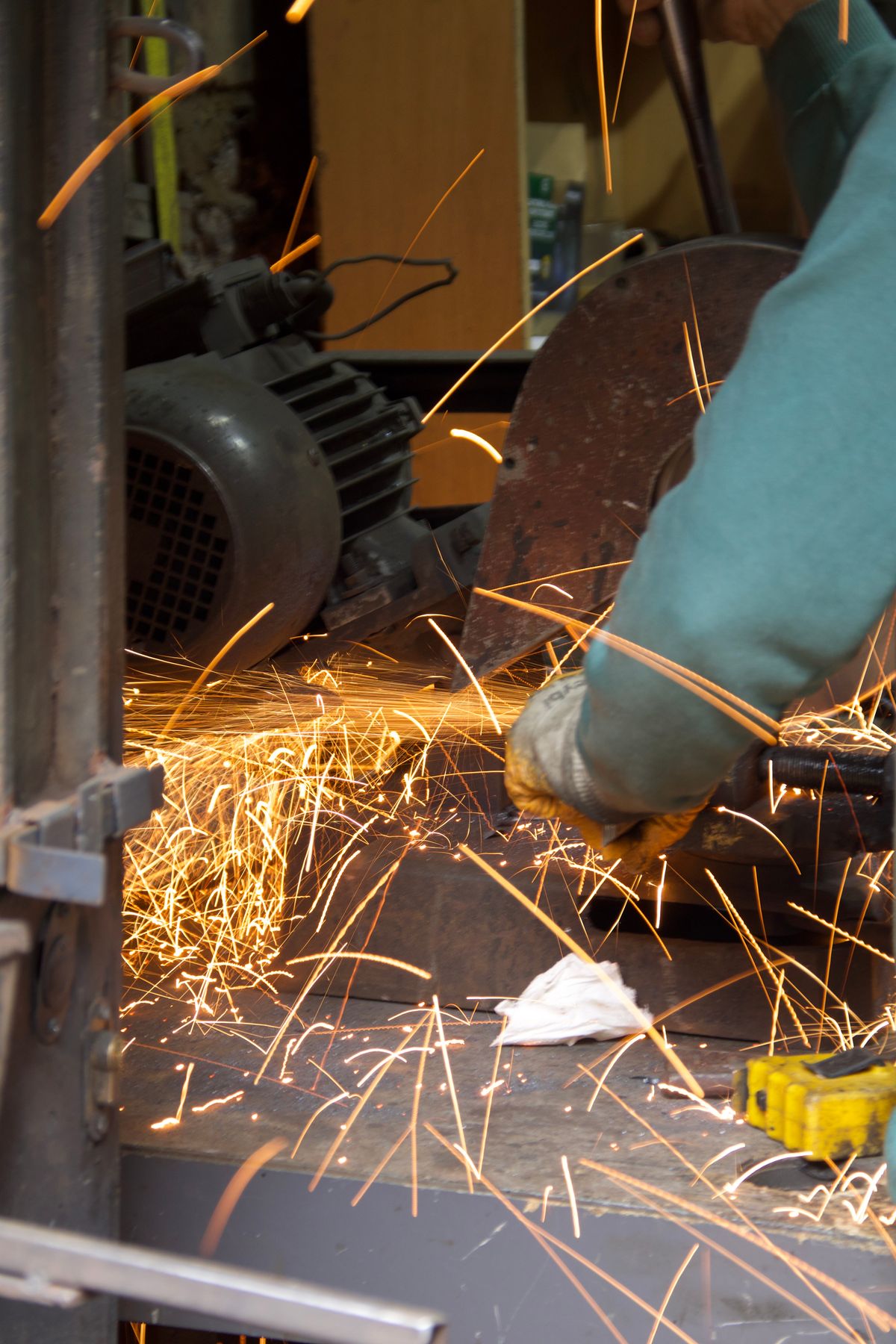
External cylindrical grinding for roundness, straightness and finish after hardening.
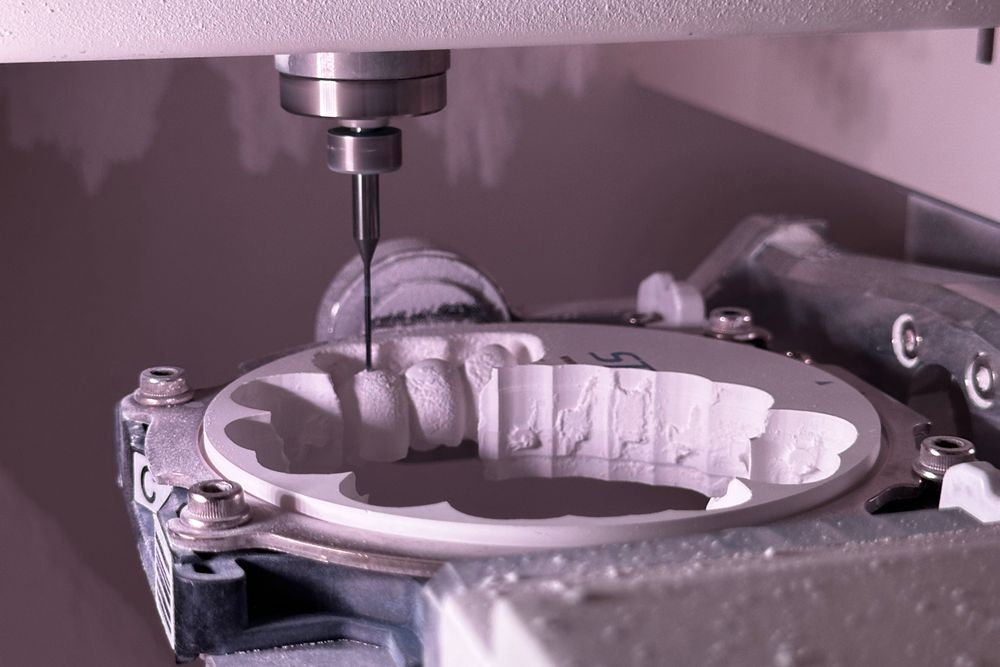
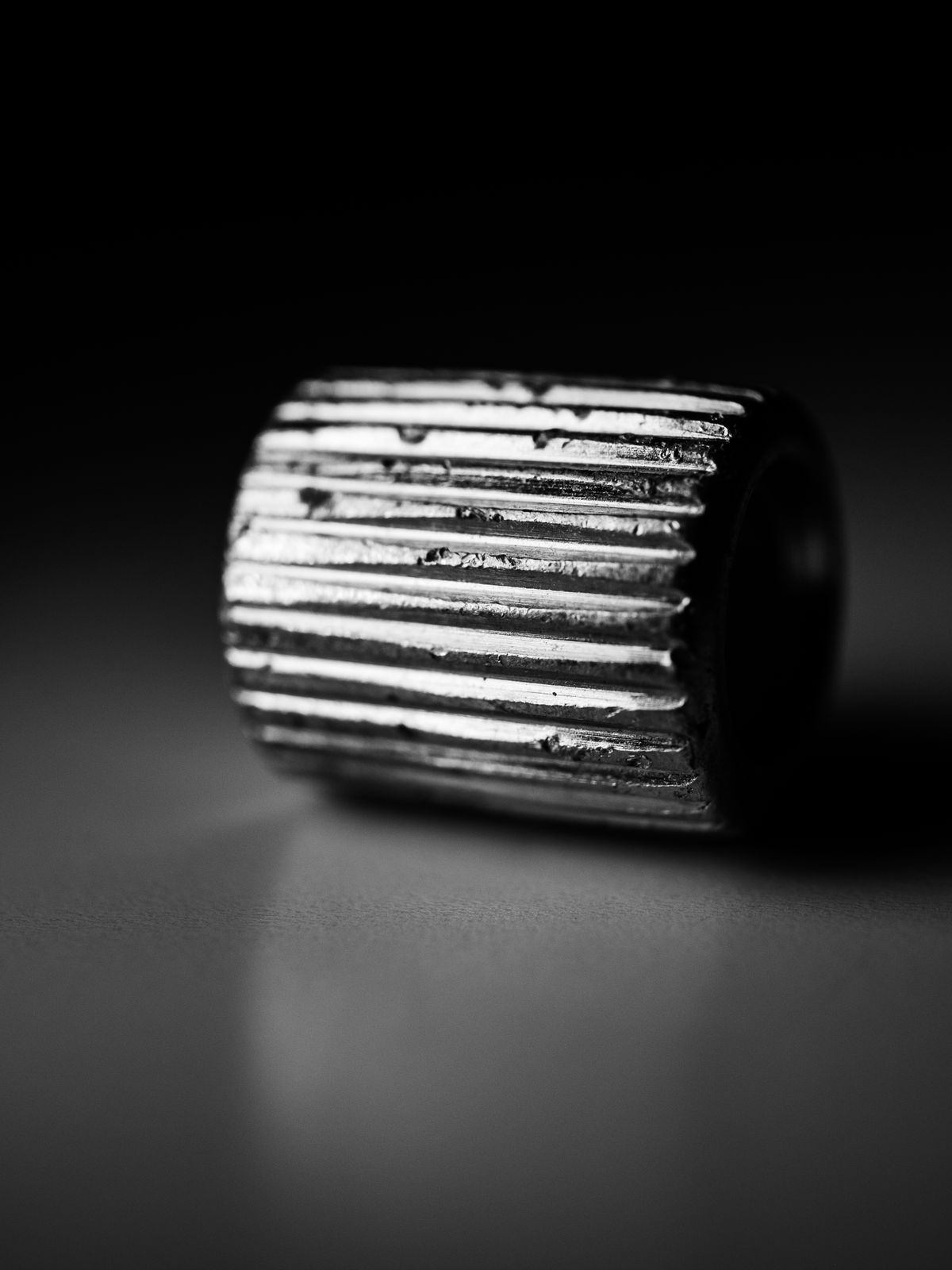
Grinding is what happens after the part is hard. A shaft turned to within a few hundredths goes to the grinder to be brought to size, to correct the geometry heat treatment moved, and to leave a surface a bearing or a seal will actually run on.
Because the grinder sits in the same building as the lathe, the part does not travel between suppliers with a datum written on a job card. The journal is ground from the same centre holes it was turned from.
What we make here
Typical work: hardened parts where finish and roundness call for grinding rather than a sharper turning insert.
How the work runs
Materials, equipment and inspection
Hardened alloy and tool steels, stainless and nickel alloys, typically 45–62 HRC after heat treatment — ground from the same centres used for turning.
Universal cylindrical grinders with live and dead-centre workholding. Roundness and cylindricity on the roundness tester, finish with a profilometer, size with micrometers and gauge blocks.
Capacity
| Feature | Range | What to know |
|---|---|---|
| Max outside diameter | Ø400 mm | Above this quoted on the surface grinder |
| Max length | 1,000 mm | Between centres with a steady where needed |
| Roundness | 0.002 mm | On a hardened, stress-relieved part |
| Cylindricity | 0.004 mm | Over the full ground length |
| Surface finish | Ra 0.2 µm | Ra 0.1 µm with a fine wheel and a spark-out pass |
| Hardness | Up to HRC 62 | Above that quoted case by case |
Leave 0.2–0.3 mm on diameter for grinding. Less than 0.15 mm and the wheel cannot remove the heat-treatment distortion; more than 0.4 mm and the cycle time climbs for nothing.
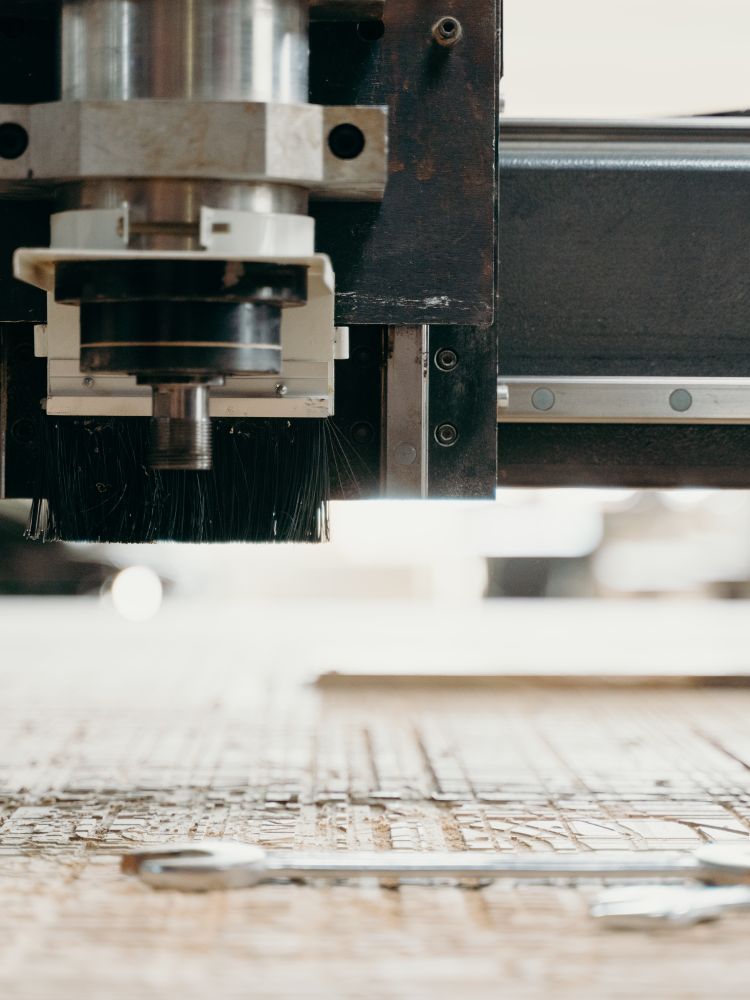
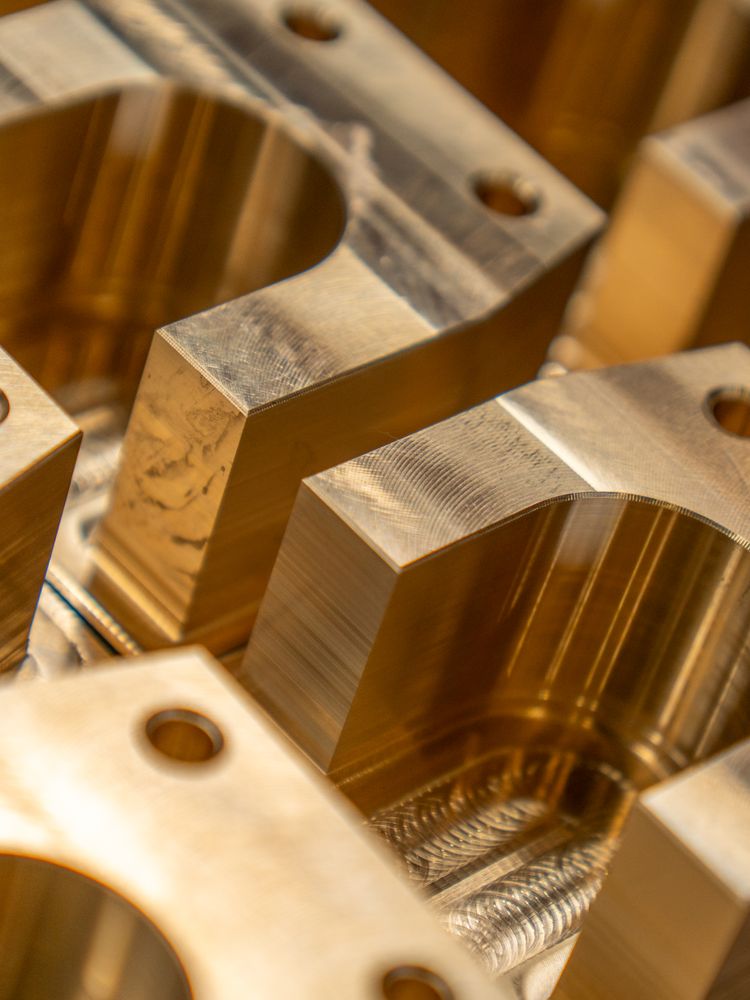
Parts we have machined
Where the money goes
Straight answers
It depends on heat-treatment distortion, which depends on the part. On most shafts 0.2–0.3 mm on diameter is comfortable; on long slender parts we will ask for more rather than fight the bend.
Yes, provided we can establish centres and the hardness is within what the wheel will cut. Send a sample and we will answer before you commit to a batch.
Where the part has moved in heat treatment, yes — and we check runout after straightening, because a straightened shaft can relax again under the wheel.
Keep reading
Request a quotation
Tell us the part, the material and the quantity. An engineer reviews your drawing and replies within one working day — usually with a suggestion on how to make it cheaper.