ID Grinding
Internal grinding of bores, sleeves and bearing seats, where the spindle has to reach inside the part.
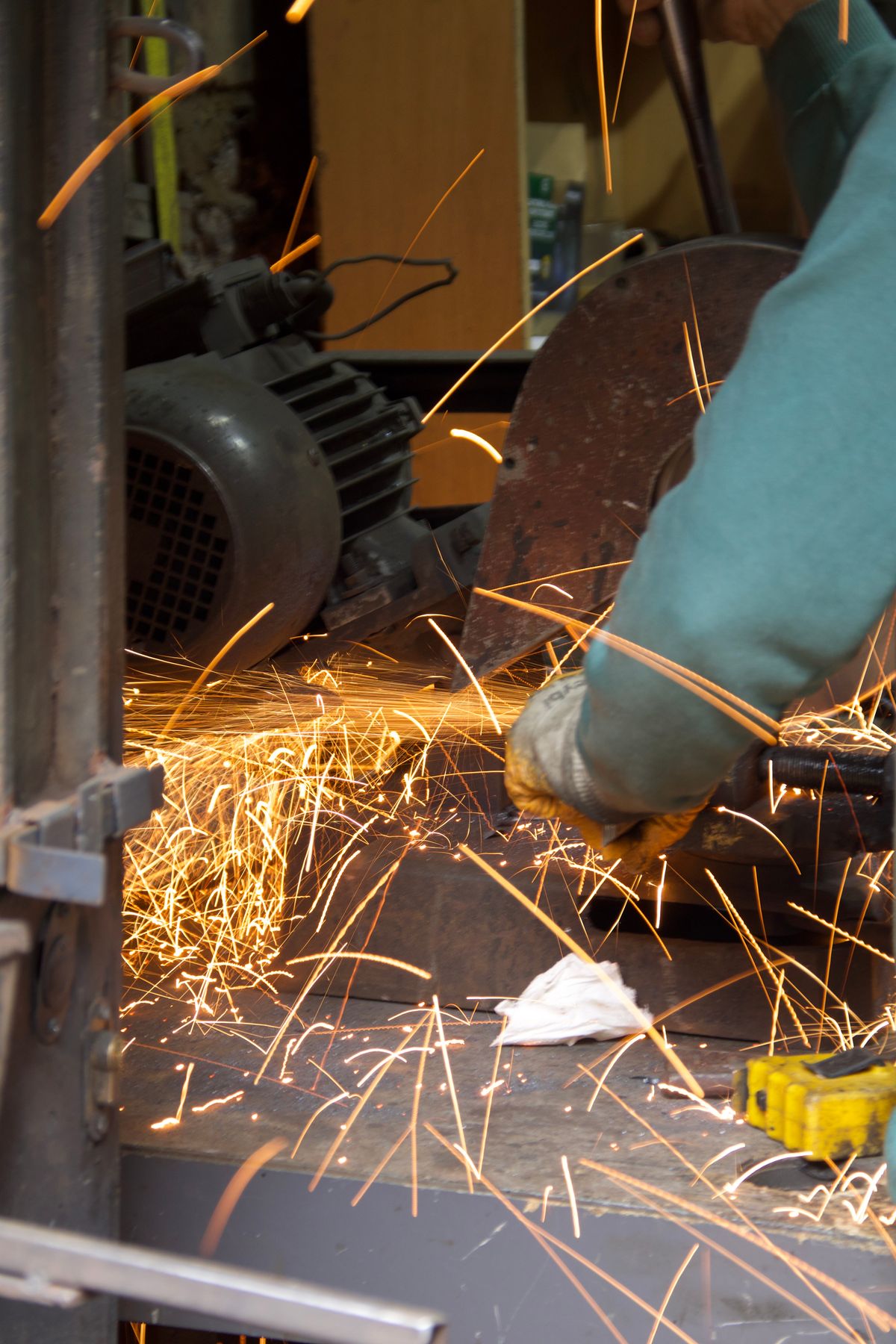
Internal grinding of bores, sleeves and bearing seats, where the spindle has to reach inside the part.
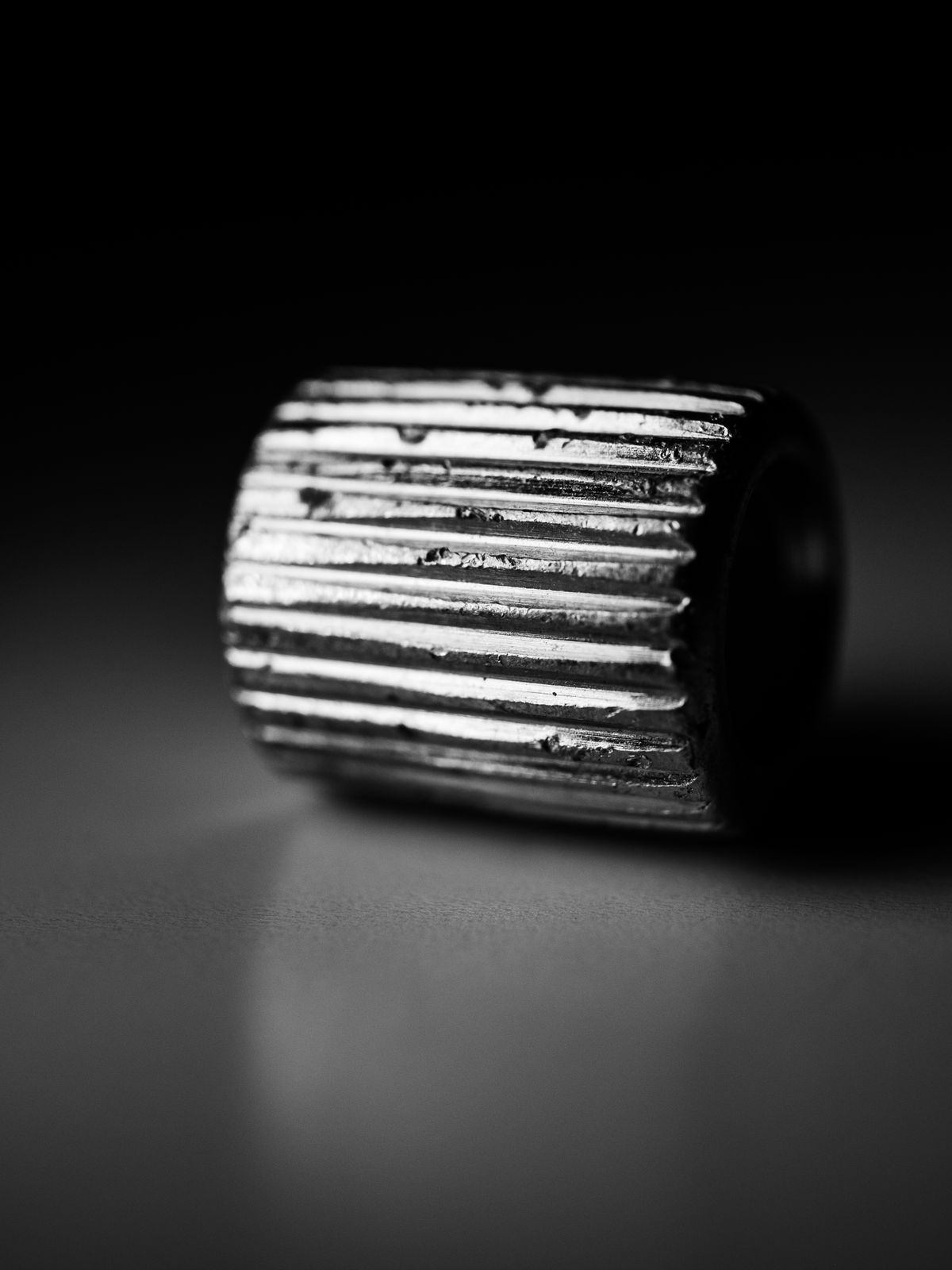
A bore is harder to control than a shaft: the wheel is small, the overhang is long, and the coolant has further to travel to reach the cut. Internal grinding is the process that brings a hardened bore to size and holds geometry a boring bar cannot reach.
It is usually paired with OD grinding on the same part, so concentricity between bore and outside diameter is set on one machine rather than argued between two.
What we make here
Typical work: hardened bores, and bore-to-OD geometry held on the same part.
How the work runs
Materials, equipment and inspection
Hardened steels, tool steels, stainless and cast iron — plus carbide where the bore has to hold size over a long run.
Internal grinding spindles with a range of quill lengths, dressed on the machine. Bore size with plug gauges and bore micrometers; roundness and taper on the roundness tester.
Capacity
| Feature | Range | What to know |
|---|---|---|
| Bore diameter | Ø5–300 mm | Below Ø5 quoted on the jig grinder |
| Max depth | 600 mm | Depth-to-diameter above 5:1 needs a stepped wheel and extra passes |
| Cylindricity | 0.003 mm | On a hardened part with a stable setup |
| Taper | 0.005 mm over 100 mm | Corrected by wheel dressing |
| Surface finish | Ra 0.4 µm | Ra 0.2 µm on a bearing bore |
| Hardness | Up to HRC 60 | Hardened sleeves and bushings are routine work |
Deep bores are quoted on the depth-to-diameter ratio, not on the diameter. A Ø20 × 200 mm bore is a harder job than a Ø150 × 100 mm one.
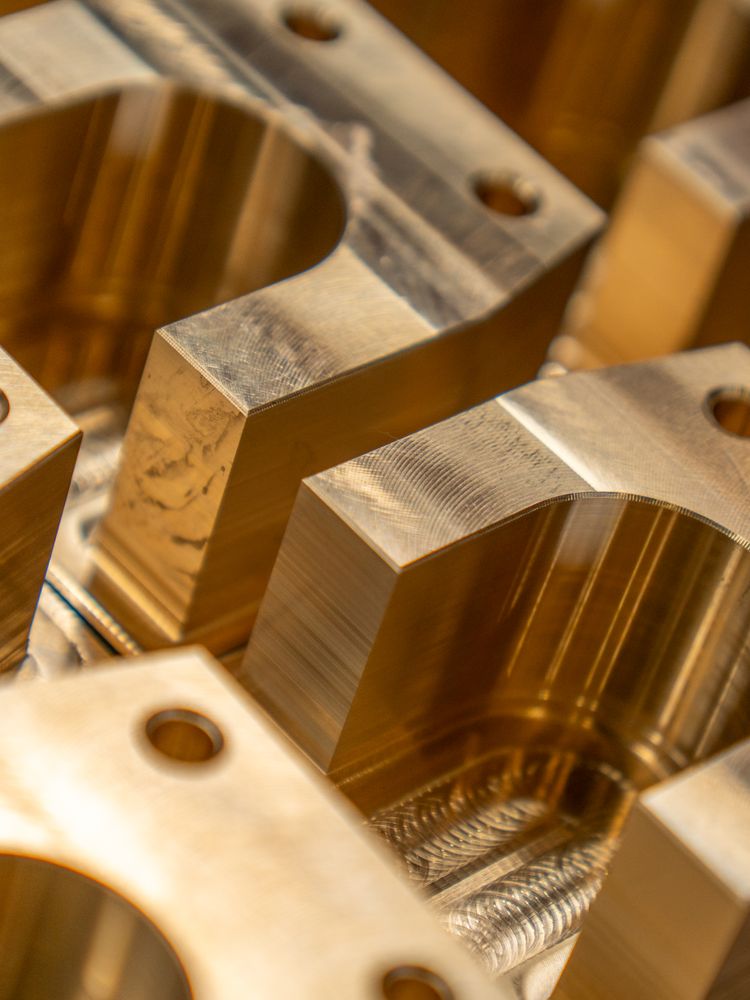
Parts we have machined

Where the money goes
Straight answers
Depth matters as much as diameter. Send the drawing with the bore length and we will confirm rather than quote a number that only holds for a shallow hole.
Yes — that is the main reason to grind both features here. Both are ground from the same setup reference and the report states the measured runout.
We grind to size. Where the drawing calls for a cross-hatch finish we will say so at quotation rather than substitute a ground finish and hope it passes.
Keep reading
Request a quotation
Tell us the part, the material and the quantity. An engineer reviews your drawing and replies within one working day — usually with a suggestion on how to make it cheaper.